An executive assistant has always been fundamental in keeping an organization running. But as the way we do business changes, executive assistant duties and responsibilities change too. From the days of sticky notes and written calendars to the prevalence of cloud-based management tools today — EAs need a diverse set of skills and tools to adapt to the shifting requirements of the executive.
The modern-day EA must support today’s in-demand leaders while ensuring efficient communications across a dispersed workforce, leading to a unique set of tasks. An executive assistant’s responsibilities include:
- Answering phone calls
- Scheduling meetings and appointments
- Handling bookkeeping tasks, such as maintaining corporate records, documents, and reports
- Using word processing, spreadsheets, and presentation software, as well as cloud-based collaboration and management solutions
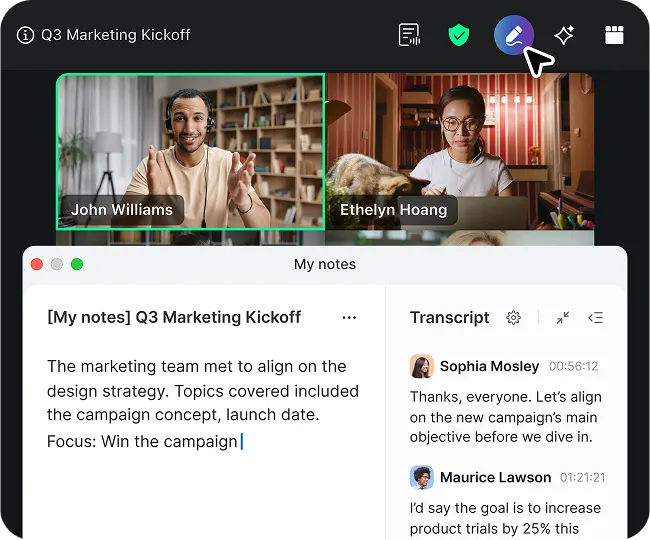
- Preparing for meetings, take meeting notes
- Greeting and welcoming visitors
- Planning and arranging travel
Executive assistants have to go beyond understanding technology, they need to use these solutions to optimize the way their organization operates. For the executive assistants using the Zoom platform, this guide offers tips and tricks on how to use Zoom Meetings, Zoom Phone, and Zoom Chat to elevate the way you communicate and collaborate.