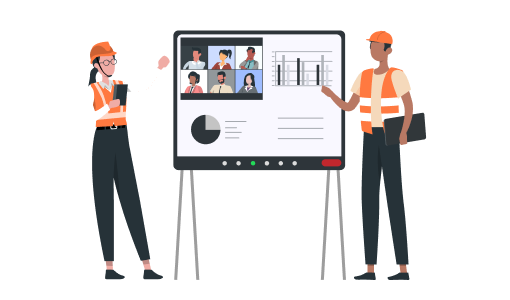
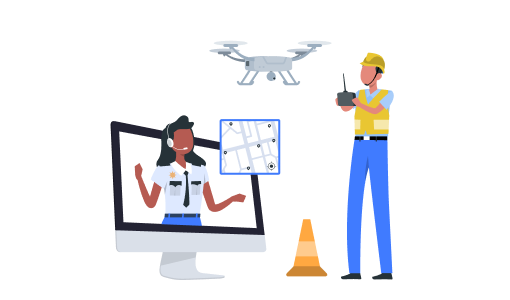
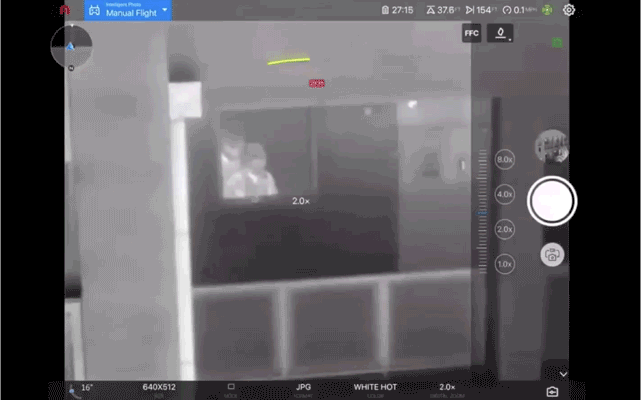
Public safety teams are tasked with conducting mission-critical, life-saving activities — managing and deploying emergency services, fire prevention and suppression, search and rescue operations, law enforcement operations, public health services, disaster response, and more. These operations have traditionally involved solutions like landlines, radio equipment, body cameras, physical documentation, and more, all of which have been central to how these teams exchange timely, critical information. But these means of communication can often be slow and unreliable, inhibiting effective communication with people in the field. It’s time for a more modern, integrated approach to technology deployment.
When the COVID-19 pandemic catapulted the public sector into sweeping digital transformation, many had to shed analog processes and embrace a paperless world, with agile collaboration and communications technology at the forefront of the paradigm shift. But teams soon realized that remote and hybrid government services could provide a new avenue for improved conditions — leading to cost savings, improved employee experience, and better protection for the public.
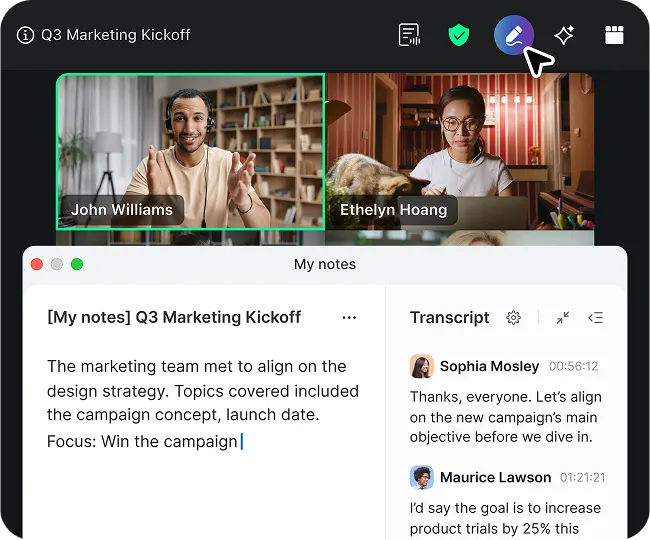
With collaboration technology at the heart of this sweeping digital transformation, providers like Zoom acted as a linchpin for government organizations working to quickly and effectively protect and take care of citizens.
In this guide, you’ll find insights on how to use the Zoom platform for public safety operations to improve outcomes and see how some organizations have already put these techniques into practice.